Meaning only to skim through Alain de Botton’s new book Religion for Atheists (Hamish Hamilton, £18.99) I read every word, engaged by his wit and limpid prose, impressed by the sheer plenitude of facts on display, and finally delighted to find such an effective apologia for religious belief.
Of course there are the occasional pro forma gibes at the absurdity of superstition: raised as an atheist, de Botton survived a “crisis of faithlessness” in his mid-twenties and now regards it as “boring and unproductive” even to ask whether the claims of any particular religion are true. But unlike most of today’s apostles of atheism, de Botton eschews the optimism of a Jean-Jacques Rousseau. He is steeped in the gloomy pessimism of Qoheleth (the Preacher) and understands that the first step towards human happiness is the acceptance of the reality of Original Sin.
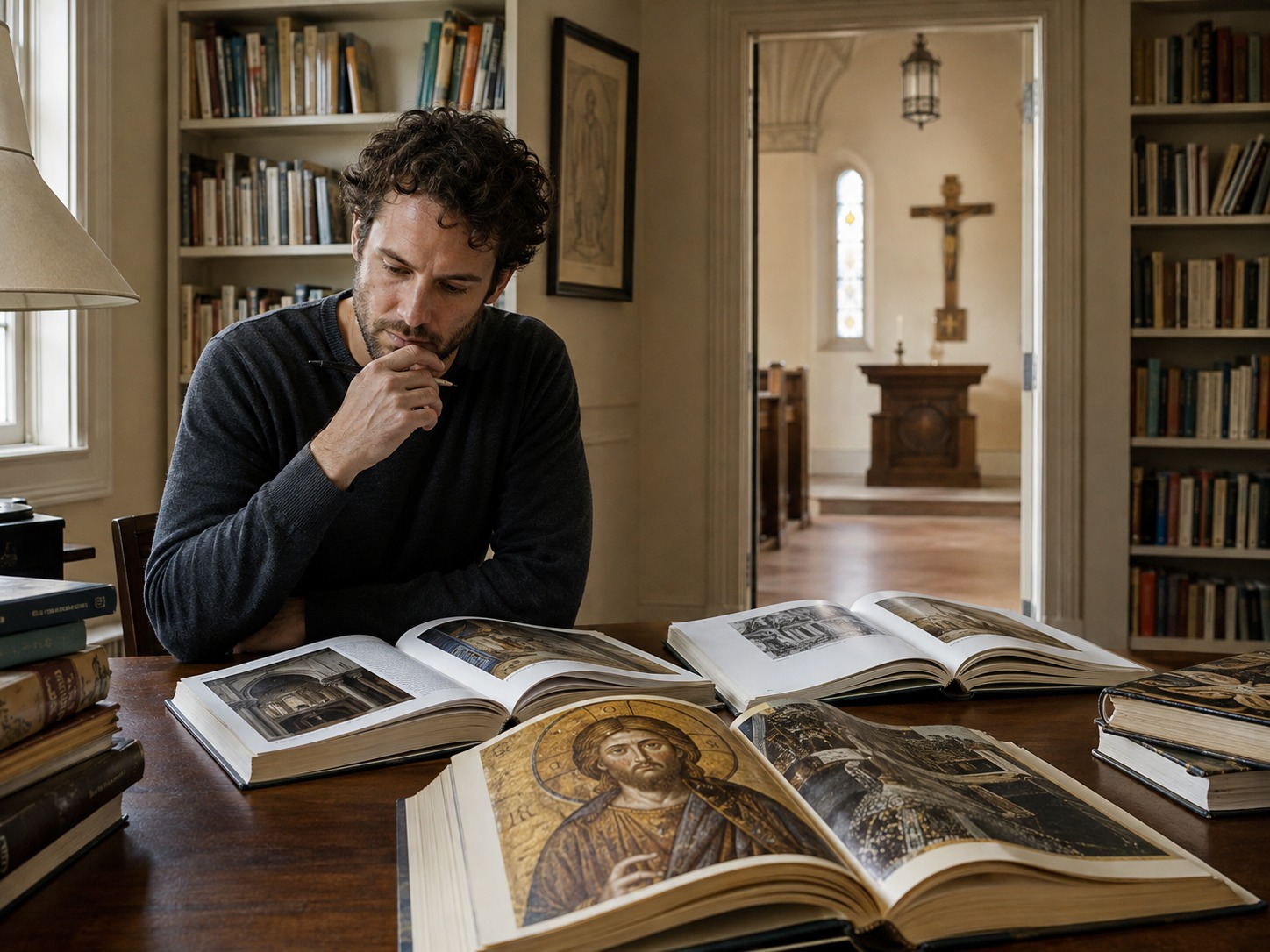
De Botton divides his study into chapters on “Community”, “Kindness”, “Tenderness”, “Pessimism”, etc, and illustrates it with photographs embedded in the text. Time and again, he shows how the rites, traditions, teachings and devotions of religion cater for the profound and often contradictory needs of our human nature — even the wild indulgence of Mardi Gras or the Feast of Fools.
Can atheists replicate a religious culture — perhaps with culture tout court? “It was no coincidence,” writes de Botton, “that during the period of revolutionary government in France in 1792, only three days separated the declaration of the state’s official severance from the Catholic Church and the inauguration of the Palais du Louvre as the country’s first National Museum.” However, admiring the gilded 14th-century figure of the Virgin and Child looted from the cathedral of St Denis does not provide the same psychic nourishment as the veneration that the statue was crafted to inspire.
It is the same with tourism versus pilgrimage, museums versus shrines, or the Jewish Passover meal or Catholic Mass versus the “Agape restaurant” that de Botton would like to take their place. The hopes that literature might stand in for scripture — that Middlemarch could replace the Psalms — have been disappointed. “It may be,” he writes, “that we are expecting too much of our own secular artists, requiring them not only to impress our senses but also to be the originators of profound psychological and moral insights.”
It is difficult not to conclude, after reading Religion for Atheists, both that faith brings enormous benefits to the believer, and that a godless culture will always be barren because the numinous is intrinsic to the nature of man.
YARPP Thumbnails