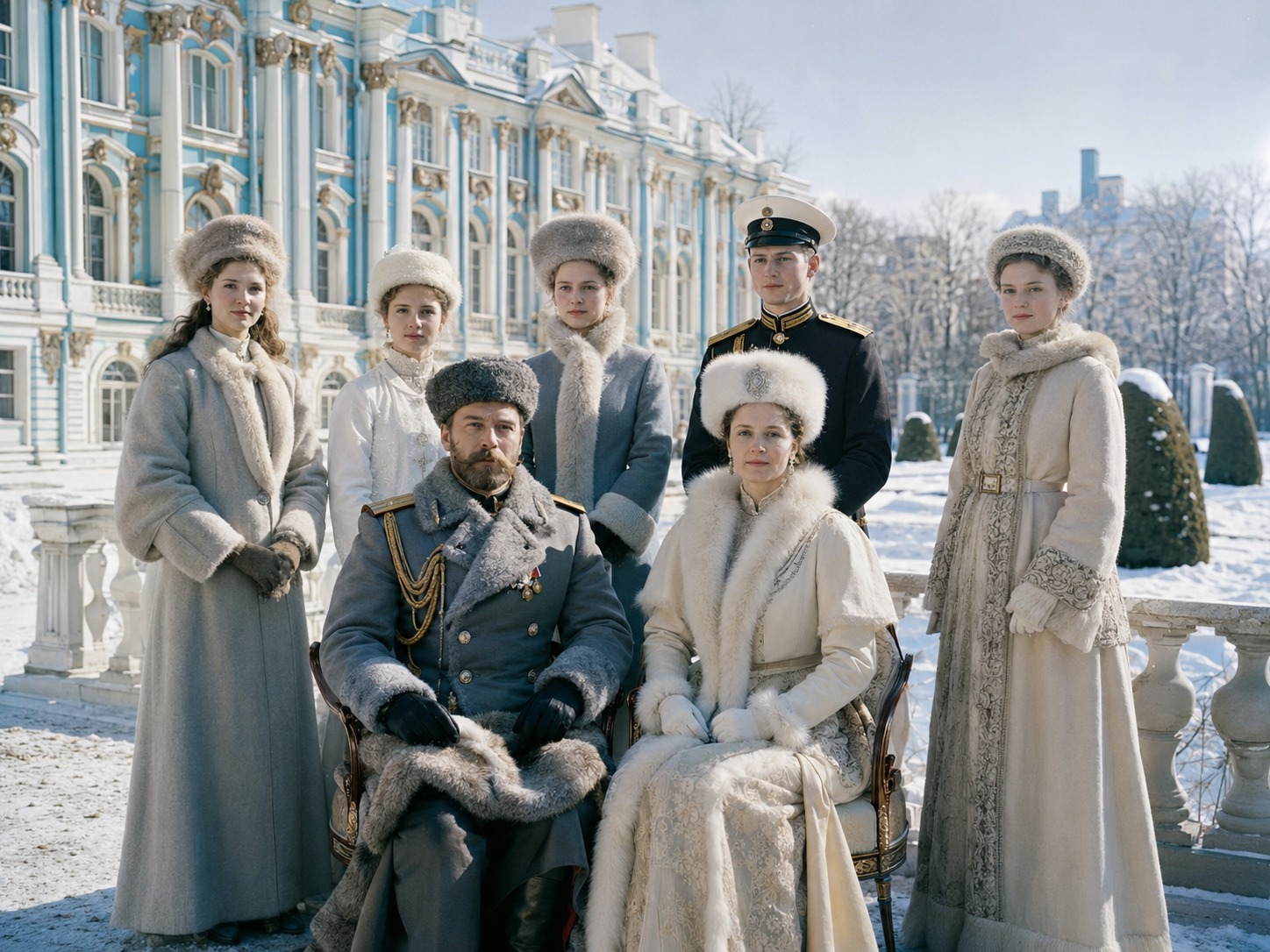
One hundred years ago, on July 17, 1918, the last Tsar of Russia, Nicholas II, his wife, the Tsarina Alexandra, and their five children were murdered by Lenin’s soldiers in a cellar in Yekaterinburg.
The Tsar and his family made just one visit to Britain, in August 1909. He was unpopular among left-wing factions in Britain, having made little effort to stop pogroms or to improve Russia’s terrible record on civil liberties, censorship, imprisonment and torture. Trouble was being stirred up not least by the aristocratic Russian revolutionary, Prince Peter Kropotkin, then living in Bromley, Kent.
In the months leading up to the Tsar’s visit, objections were raised in the House of Commons. Days before his arrival, hundreds of protesters demonstrated in Trafalgar Square. It was a time of unrest. One demonstration against a Russian pogrom had attracted a crowd of 25,000. By 1909 there were about 50 socialist churches in London, each with 300 to 500 congregants.
London was known for its lax security. In the past, it had played host to both Lenin and Trotsky. Two years before the Isle of Wight visit, Stalin attended a Russian Social Democrat Labour Party congress, with meetings in Whitechapel. Between meetings his fellow delegate Lenin took Maxim Gorky on a tour of the British Museum. Edwardian England unwittingly hosted both the Romanovs and their future killers.
The public was assured that the royal party would not step on British soil. Instead, they would remain on board their yacht, the Standart, which would be moored off the Isle of Wight for three nights. In fact the family did leave the yacht, for a brief visit to Osborne House. The two elder daughters, Olga, 13 and Tatiana, 12, ventured along Cowes High Street, whence they had to be rescued and rushed to a quieter spot — St Mildred’s Church, Whippingham — after finding themselves in danger of being crushed by an inquisitive crowd.
The rest of the visit went as well as could be expected. King Edward VII and the Tsar reviewed the Royal Navy from the deck of the British royal yacht Victoria and Albert, on which they also dined. But the two royal families would never meet again. Edward’s successor, King George V, was said to be horrified by the killings in Yekaterinburg. It has since emerged, however, that he was pivotal in preventing the family from taking refuge in Britain after the Revolution. He may have been worried about the growing republican movement, fearing for the throne, even for his life.
There is still a memorial to the Imperial Family on the Isle of Wight, in St Mildred’s Church. It is very small and curiously hard to find. Included on the list of names and birthdates are those of Olga and Tatiana, who, as carefree young girls, happily explored the church that sunny August afternoon.