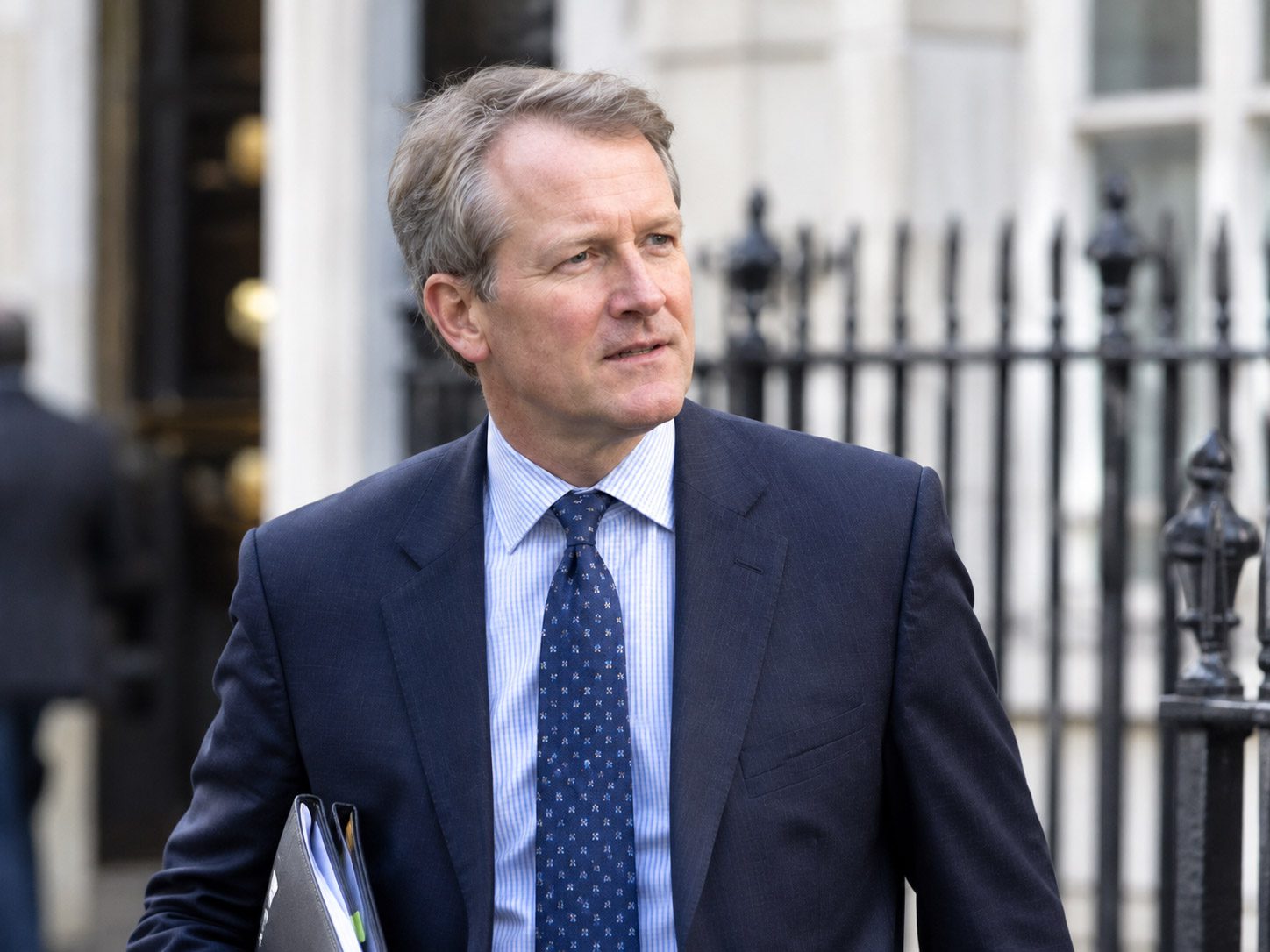
Owen Paterson, the recently appointed Environment Secretary, is a total conservative. He’s Eurosceptic. Hawkish against foreign threats and tough on domestic ones. Deregulatory on the economy. In favour of small government. Socially traditionalist — opposing, for example, gay marriage. Environmentally a conservationist: in love with Britain’s countryside but sceptical about grand designs to change the global climate. He’s undoubtedly the most conservative member of David Cameron’s Cabinet. With the possible exception of Iain Duncan Smith he’s the only senior British Tory who could easily win election if he stood on a Republican ticket in America.
In promoting Paterson David Cameron knew that he was taking a risk. He has his own mind and is prepared to speak it. Earlier this year he told the Cabinet that Britain needed to embrace the economic policies of Ronald Reagan. The coalition, he said, should exempt micro-businesses from nearly all regulation, cancel expensive green energy policies and fast-track the exploitation of shale gas. And if that wasn’t enough to give the Prime Minister indigestion, Paterson then suggested that there was an urgent need to increase Britain’s airport capacity. One observer noted how George Osborne smiled throughout this intervention while Liberal Democrat ministers sat stony-faced.
When he was promoted from Secretary of State for Northern Ireland in the September reshuffle it was portrayed as part of Cameron’s “lurch to the Right” and there is certainly some truth to that. There is more to Paterson, however, than his politics. He’s a gentleman, extraordinarily diligent and also quite cautious.
One frequent criticism of Paterson that you’ll hear shoot-from-the-hip Tories making is that he’s not a street-fighter for Conservative beliefs. Their definition of an effective co-belligerent is someone who is always in the newspapers, asserting his right-wing credentials and often making life uncomfortable for the leader. That’s not Paterson’s style and it has made him less visible to Tory activists than junior ministers who are all over today’s 24/7 media.
Cameron took a risk in promoting this deep-blue Tory but he also knew that it was not a leap into the unknown. Although Paterson is candid in private, Cameron sees him as a team player. Paterson may be a man of the Right but he’s also very much a party loyalist. If he goes public with concerns — as he did last year, giving a very Eurosceptic interview in advance of Cameron’s eventual veto of the fiscal union treaty — he only does so after enormous thought. He may reach conclusions that are sometimes disagreeable to people but he has always done so after careful research and reflection. Cameron admires that in ministers.
One reason for Paterson’s elevation is his capacity for hard work. In every brief he has held, whether at transport, agriculture or Northern Ireland, he has put in the hours. He has built deep and wide relationships with every stakeholder in each one of those portfolios.
Another development that has made Paterson stronger has been his growing standing with the press. Charles Moore is a long-time friend. Peter Oborne has been an admirer and he occasionally dines with Simon Heffer. Until recently that was about it. In the last year, however, Paterson has started to enlarge his circle: a steady stream of opinion-formers went to Belfast to spend weekends with the Patersons at Hillsborough Castle, the Northern Ireland Secretary’s residence. No taxpayers were hurt in the process because the Patersons met all incidental expenses. (Unlike other ministers he escaped unscathed during the MPs’ expenses scandal.) Paterson won new friends while mingling inspections of the improvements he was making to the Hillsborough rose gardens with conversations about the future of Conservatism.
Paterson’s secret weapon is his intelligent and well-connected wife Rose. Never far from his side, this daughter of the late Viscount Ridley and sister of the science writer Matt Ridley could have been a leading Conservative MP in her own right if she had been born two decades later. Like Anne Jenkin and a number of other Tory wives, she may have been deterred by the fact that Conservative Associations were then seldom the open-minded, equal opportunity selectors that they usually are today.
How far can Owen Paterson rise? Some allies think he can inherit the top job. This seems unlikely unless he can improve his television performances. He did not particularly impress when he appeared on BBC One’s Question Time earlier this year, though neither did he mess up.
Until now his rise has been quiet and effective but never spectacular. As the Cabinet’s leading environmental sceptic, he is already firmly in the sights of the green lobby. His robust right-wing views will soon attract hostile attention from other quarters, too, now that he has a high-profile department. We will soon find out if he can raise his game.