I could not consent to the introduction into our national life of a device so alien to all our traditions as the referendum,” Clement Attlee told Winston Churchill in May 1945, “which has only too often been the instrument of Nazism and Fascism.” The referendum has long been characterised by its detractors as the constitutional equivalent of a skinhead gatecrashing an otherwise decorous Westminster drinks party. Chris Patten, as EU commissioner, told the Breakfast with Frost programme: “I think referendums are awful. They were the favourite form of plebiscitary democracy of Mussolini and Hitler. They undermine Westminster. I think referendums are fundamentally anti-democratic in our system and I wouldn’t have anything to do with them.”
Now Wendy Alexander’s astonishing U-turn over a referendum on Scottish independence, added to Stuart Wheeler’s inspired High Court challenge to the Government to keep its manifesto promise for a referendum on the Lisbon treaty, has thrust the question of the legitimacy of referendums back into public consciousness. But should we believe the people who claim that the whole concept of a referendum is un-British?
The great constitutional lawyer Professor A. V. Dicey proposed the use of the referendum over the Irish Home Rule issue as early as 1890, an idea the Tory prime minister Lord Salisbury took up with enthusiasm. Twenty years later, Arthur Balfour promised a referendum in the 1910 Tory manifesto over tariff reform, and 20 years after that Stanley Baldwin also committed the Conservatives to holding a referendum before introducing Protection. These all predated the Führer coming to power.
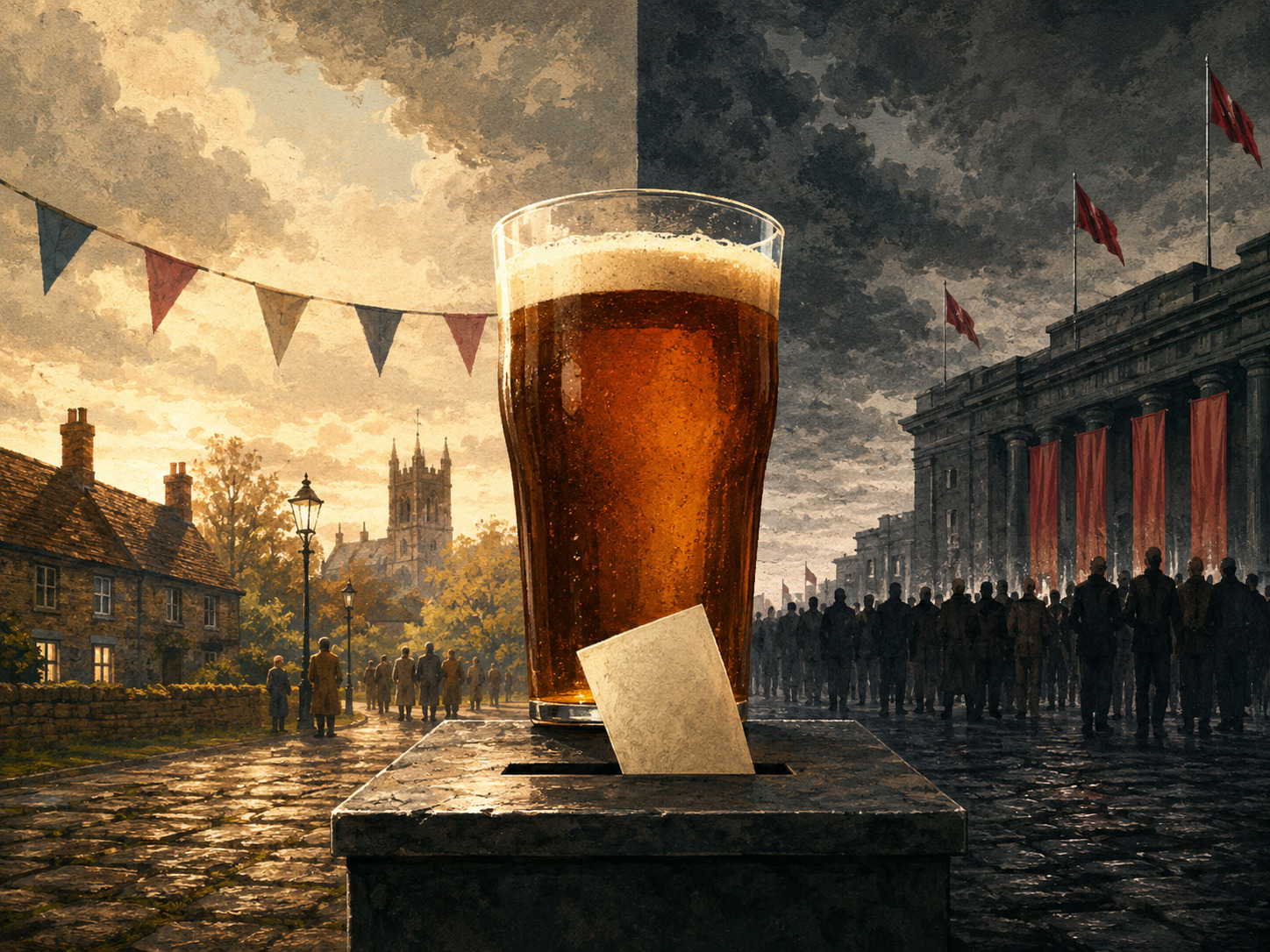
In May 1945 Churchill suggested holding a referendum over the question of extending the life of his wartime coalition until victory was won over Japan; and in 1961 the Licensing Act instituted local referendums in parts of Wales to ascertain the views of the electorate on Sabbath pub opening. That was before I was born, so it seems a bit harsh that referendums should still be treated by their foes as though they were some newfangled constitutional invention. The prime minister of the day was Chris Patten’s political hero, Harold Macmillan, who hardly resembled either Mussolini or Hitler. It was Harold Wilson who instituted the 1975 referendum on continued EEC membership. Countries such as Australia, Denmark, Switzerland and France all use referendums regularly.
With a referendum, no one is disfranchised, as Tories in Llanelli or socialists in Kensington and Chelsea effectively are at general elections. Referendums are an established part of the British constitution, as well as being the most direct way to ascertain the will of the people. Which — on the issue of the Lisbon Treaty — is perhaps the real reason that Chris Patten thinks they’re so “awful”.
YARPP Thumbnails
YARPP Thumbnails