Carine and Elizabeth Krecké
Drawing Board Gallery
05/06/2009
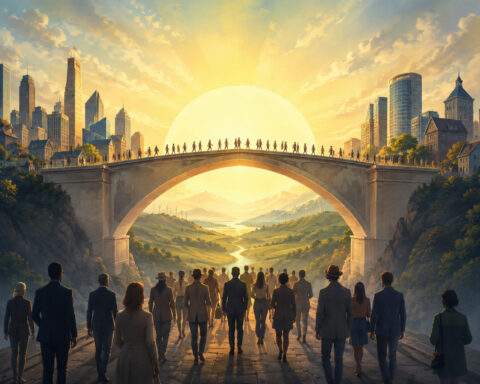
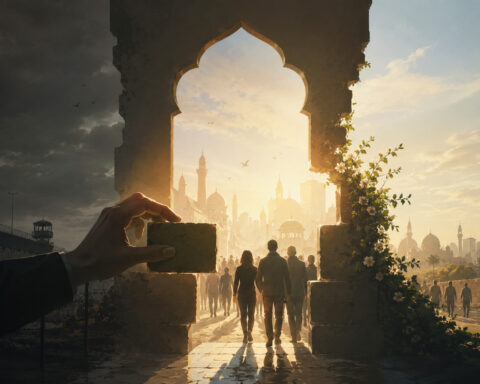
After a long experience in photo-realist drawing, we started experimenting with a new technique of drawing in combination with digital technologies, in order to create a simulation of black and white photography. Between 2000 and 2006, we developed two series: fictitious photographs and film stills from non-existent movies. Sometimes our clichés , or simulations, feature screen icons-Terence Stamp, Donald Sutherland, Isabelle Adjani and Marilyn Manson, among others-in movies that were never made. But most of the time, we produce anonymous celebrities whose identities escape us, but who somehow seem familiar to anyone used to the stereotyped Western mass media and pop culture. This sensation of déjà vu reinforces the photographic illusion of our pictures. The French philosopher Marc Jimenez, referring to possible alliances between art and technology, perfectly sums up the state of our fake photographs project, in which nothing is quite what it seems. “Elaborating ‘true’ images of objects that do not exist, creating ‘real fictions’ — or ‘fictitious realities’ — means changing the very status of the real.” (From Le portique, No. 3, 1999).
What to read next
standpoint-logo
The Roy Davids Collection
Roy Davids, head of the Manuscripts and Books department at Sotheby’s for many years, built up what must be the most significant privately-owned collection of poets’ manuscripts and memorabilia. This collection is now going under the hammer at Bonhams in London, with roughly half the lots having been sold in April and the rest coming up this month.
standpoint-logo
Barry Martin
“Vain man, vision of a moment made;
Dream of a dream, shadow of a shade”
Looking intensively outside yourself, investigating with an inquiring mind and asking questions about the nature of reality, provide a platform informing an identity and authorship of the person.
Qualitative statements in art are not just the product of good technique, or tasteful conclusions, but must be given content through the actions outlined above.
I’ve tried to pursue these objectives in my art, and sometimes a glimpse of the truth is revealed.
standpoint-logo
Avigdor Arikha (1929-2010): an appreciation
Avigdor Arikha, who died in Paris on April 29 aged 81, was one of the most interesting and accomplished of an internationally renowned group of figurative artists who dominated the latter decades of the 20th century, among them Lucian Freud, R. B. Kitaj and David Hockney.
Although Arikha was a polymath and intellectual, his working method was deeply visual and placed the greatest value on the intense and unblinking scrutiny of the object in front of him. In common with his artistic predecessors, Bonnard and Vuillard, his subject matter was mainly domestic and seemingly circumscribed by the world immediately around him — self-portraits, portraits of friends and family, nudes, still-lifes of everyday objects, the library and studio in the Paris apartment he shared with his wife, the poet Anne Atik, as well as views from its windows.
standpoint-logo
Why Remoaners should back Boris
“Boris, ironically, now offers Remoaners the best chance of a soft Brexit, or at least a sensible one. And to those who want a second referendum—’the people’s vote’—there may even be a chance of that too.”

On the road
“In the summer of 1980, in the grip of some Kerouac-ish fantasy, I opted to hitch-hike from Laredo to New York”

Discovering the Great War of China
A third of a million Chinese labourers helped the Allies defeat the Kaiser, but their huge unsung contribution ended in betrayal