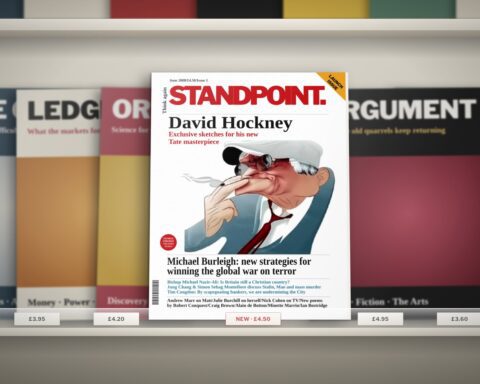
Standpoint hit the newsstands in 2008. Helping to set up one monthly, conservative print magazine was seemingly not enough for me. After leaving Standpoint in 2019, I co-founded The Critic.
Those embarking on similar ventures today would surely insist the way to go is online only. Even in 2008, nearly 20 years ago, that would have been the conventional wisdom. And they would probably be right.
The rationale for going purely digital has been reinforced by Substack. Now there is a proven platform for online only start ups to gain paying subscribers pretty much from the get go.
But let us imagine for a moment you want to go against the conventional wisdom. Here are some of the lessons I have learnt if the allure of print still has you in its sway. And perhaps more importantly some pitfalls to avoid.
Find yourself a backer with deep pockets
Both Standpoint (Alan Bekhor), in its earlier incarnation, and The Critic (Jeremy Hosking) had such patrons. Both men over the years lavished millions on their magazine. Without their munificence there is no chance either title would have got off the ground. Indeed without Hosking, The Critic would not survive. Prospect on the centre-Left also only survives due to the generosity of one rich man, Clive Cowdery.
But try to expand your base of support swiftly tap your readers
But being reliant on one backer is not ideal – and that backer will certainly not thank you for it when you keep coming back for support month after month, year after year. As you build your title’s character and reputation, do your very best to diversify your support base.
And don’t be shy about asking your readers for backing. We were much too slow to do this at Standpoint. There was a cultural reluctance to do this, thinking that this was somehow cheap. Here a start up today is in a much better position than one of 20 years ago. It was never taboo in the United States for magazines to ask for reader donations, but it used to be in the UK – if you ignore the various Marxist rags that have always done so.
Two factors have changed all that – The Guardian and Substack. The Guardian has normalised publications asking for donations. One can’t go on the site without the begging bowl coming out. Readers no longer find the experience odd. And Substack, which in many cases is really a form of donating to a favoured writer rather than receiving bonus content, have made the experience expected.
What you are trying to achieve on the newsstand
Any magazine is after subscriptions. This is where your regular income will come from. For a newsstand listing you will need to pay an upfront fee (around £30,000 to WH Smith Travel in The Critic’s case) and will only receive around half of the cover price of any copies you sell – in truth rather less than that as you will endlessly be enticed to buy “promotions”, ie better placings. With these listings you will also end up finding your magazine for sale in, say, Doncaster – where you are likely to sell zero copies or thereabouts. Also, just because you have paid for a listing does not mean your title will magically find itself where it should be. You will need to hire another firm of merchandisers to check that your magazine is properly displayed.
So why bother? WH Smith Travel (i.e. its branches in railways stations and airports) is your best advertising board. Those people browsing the current affairs racks will come across your title and may even find themselves drawn to it. The fact that your title will be rubbing shoulders with The Economist and The Spectator will give it instant credibility. And, perhaps most importantly, your backer will find an instant return on their investment. They will see a very tangible result from their largesse.
This rationale is probably weaker today than it was in 2008, with the precipitous annual drop in print sales, but it is still real. These days it is probably not worth bothering with what was WH Smith High St, now TG Jones. Sales at Smith High St have long been much lower than its Travel division, and as TG Jones now appears in terminal decline.
Never discount
One of the biggest mistakes most small magazines make is heavily discounting their subscription offer. It will produce quicker results in building up numbers, but these are fair weather subscribers who will quickly drop off. Churning readers is expensive. Have faith in your product and charge everyone full rate – it will bring in more revenue and build reader loyalty. Regulars won’t feel diddled by others enjoying new cheap offers.
E-shots are the best way of finding new subscribers
By far the most effective way of finding new subscribers is via e-shots. Approach other titles who you feel might have a similar audience to the one you are trying to attract and either offer them a contra-deal or pay them to send an e-shot selling your title to their readers with a subscription link. Try to set these up as swaps or contra deals, but if your list is still too small don’t be frightened to pay hard cash for them. It is an infinitely more productive way of spending your promotions budget than any other form of marketing. Print advertising is a total waste of time, other than potentially consciousness raising. You can spend many thousands for a beautiful ad in, say, The Spectator and will be lucky to get 10 subscribers.
Forget about selling ads
Some genius may some day find a successful way of selling advertising once more in a political monthly – but don’t bank on it. Magazines of this type, if they employ advertising sales staff, are likely to spend much more on bringing advertising in than that advertising will ever yield.
Have fun
Launching a new print magazine in this age is frankly verging on crackpot, considering the hurdles you are up against. But it can be hugely rewarding. To anyone embarking on the venture, enjoy it.